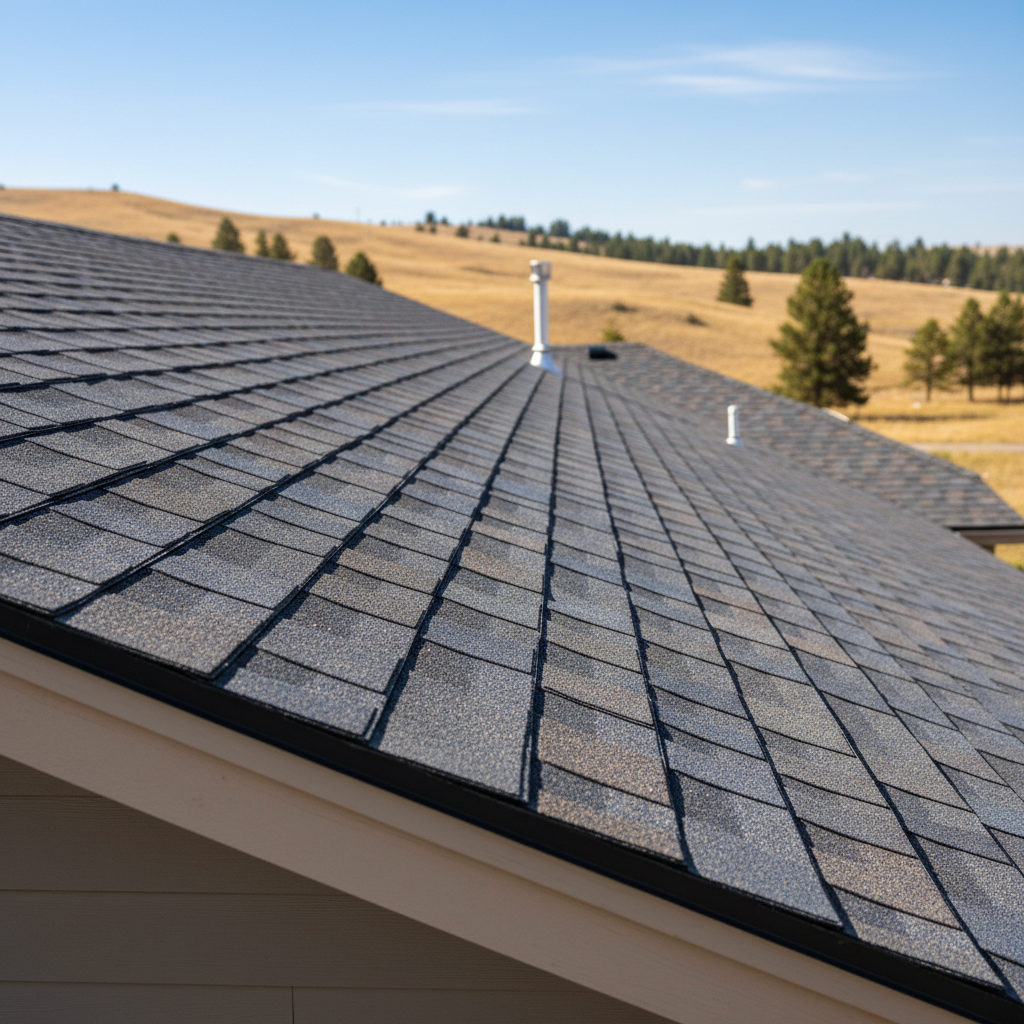
What's the biggest mistake folks make with new construction roofs?
Honestly? It's usually thinking that because it's new, it's automatically perfect, or that the builder's standard option is good enough. I've seen this happen too many times. People spend months picking out cabinets, flooring, and paint colors, but the roof? That gets a five-minute conversation. Your roof isn't just about looking good from the street; it's the main thing protecting your entire investment. Cutting corners here, or just accepting the cheapest choice, can lead to bigger headaches and expenses down the road, especially with our wild Helena weather. Think about the long game, not just the immediate cost.
How does Helena's climate impact new roof material choices?
Our climate here in Helena is no joke, right? We get everything from scorching summer sun to heavy snow loads and those intense freeze-thaw cycles that can really stress materials. Plus, we often deal with high winds, especially on the west side of town closer to the mountains. When you're picking materials for a new build, you've got to consider durability above all else. Asphalt shingles are common, but you'll want a heavier, architectural grade that can stand up to wind uplift and impact. Metal roofs are fantastic for shedding snow and lasting a long time, but they come with a different price tag and sometimes noise considerations. Even with tile or slate, you need to ensure the underlayment and installation are top-notch to handle our temperature swings and moisture. Don't just pick something pretty; pick something tough.
Should I upgrade from the builder's standard roofing package?
Nine times out of ten, yes, you absolutely should consider it. Builders often spec out the most cost-effective options to keep their prices competitive. That usually means a basic 3-tab asphalt shingle or a very entry-level architectural shingle. While these meet code, they might not offer the longevity, wind resistance, or aesthetic appeal you truly want for a brand-new home. Upgrading to a heavier architectural shingle, a class 4 impact-resistant shingle, or even exploring metal options at the build stage is far more cost-effective than replacing a roof prematurely a decade down the line. It's a small percentage of your overall home cost, but it delivers huge returns in comfort and protection.
What's the deal with roof ventilation on a new build?
Ventilation is critical, and it's often overlooked or misunderstood. A properly ventilated roof system helps regulate attic temperatures, prevents moisture buildup, and extends the life of your roof materials. In the summer, it helps hot air escape, reducing your cooling costs. In the winter, it prevents ice dams by keeping the attic temperature closer to the outside temperature. Without adequate intake (soffit vents) and exhaust (ridge vents, static vents, or powered vents), you're asking for trouble: premature shingle deterioration, mold, and higher energy bills. Make sure your builder isn't just slapping on a couple of static vents and calling it good. It needs to be a balanced system designed for your specific roof pitch and attic volume.
How important is the underlayment for a new roof?
The underlayment is your roof's hidden hero. It's that protective layer between your roof deck and your shingles or other roofing material. This is your last line of defense against water getting in if your primary roofing material gets damaged or shifts. For new construction, I always recommend a high-quality synthetic underlayment over traditional felt paper. Synthetic options are more durable, resist tearing better, and offer superior water resistance. Here in Helena, where we get a lot of snow and subsequent melt, an ice and water shield applied at the eaves, valleys, and around penetrations is non-negotiable. It prevents water from backing up under shingles and leaking into your home. Don't let anyone skimp on the underlayment; it's just too important.
What kind of warranty should I expect for a new construction roof?
You'll typically get two types of warranties: the manufacturer's warranty on the materials and the contractor's warranty on the workmanship. Manufacturer warranties can vary wildly, from 20-year to lifetime limited warranties for shingles, but read the fine print – they often prorate after a certain period. For workmanship, a reputable builder or roofing contractor should offer at least a 5-year warranty, but some go longer. At Helena Roofing Company, we stand behind our work. Make sure you get these warranties in writing and understand what they cover and, more importantly, what they don't. A good warranty offers peace of mind, knowing that if something goes wrong due to a defect or installation error, you're covered.
Are there any 'green' or energy-efficient roofing options for new builds?
Absolutely, and they're becoming more popular for good reason. Beyond just good ventilation, you can look into cool roofs, which use reflective materials or coatings to reduce heat absorption, lowering your attic temperature and energy bills. Light-colored metal roofs or specific cool-rated asphalt shingles are great for this. Another option is solar-ready roofing, where the roof is designed and reinforced to easily accommodate solar panel installation down the line. Some folks even consider living roofs or green roofs, though those are a whole different ballgame in terms of cost and maintenance, especially with our dry summers. It's worth discussing with your builder and roofing contractor early on if energy efficiency is a priority for your new home.